
Decarbonisation
The SEAT & CUPRA decarbonisation programme marks the roadmap to reduce CO2 emissions throughout the entire value chain of our cars, taking into account the whole life cycle of our vehicles: supply chain, production, use and end of life.
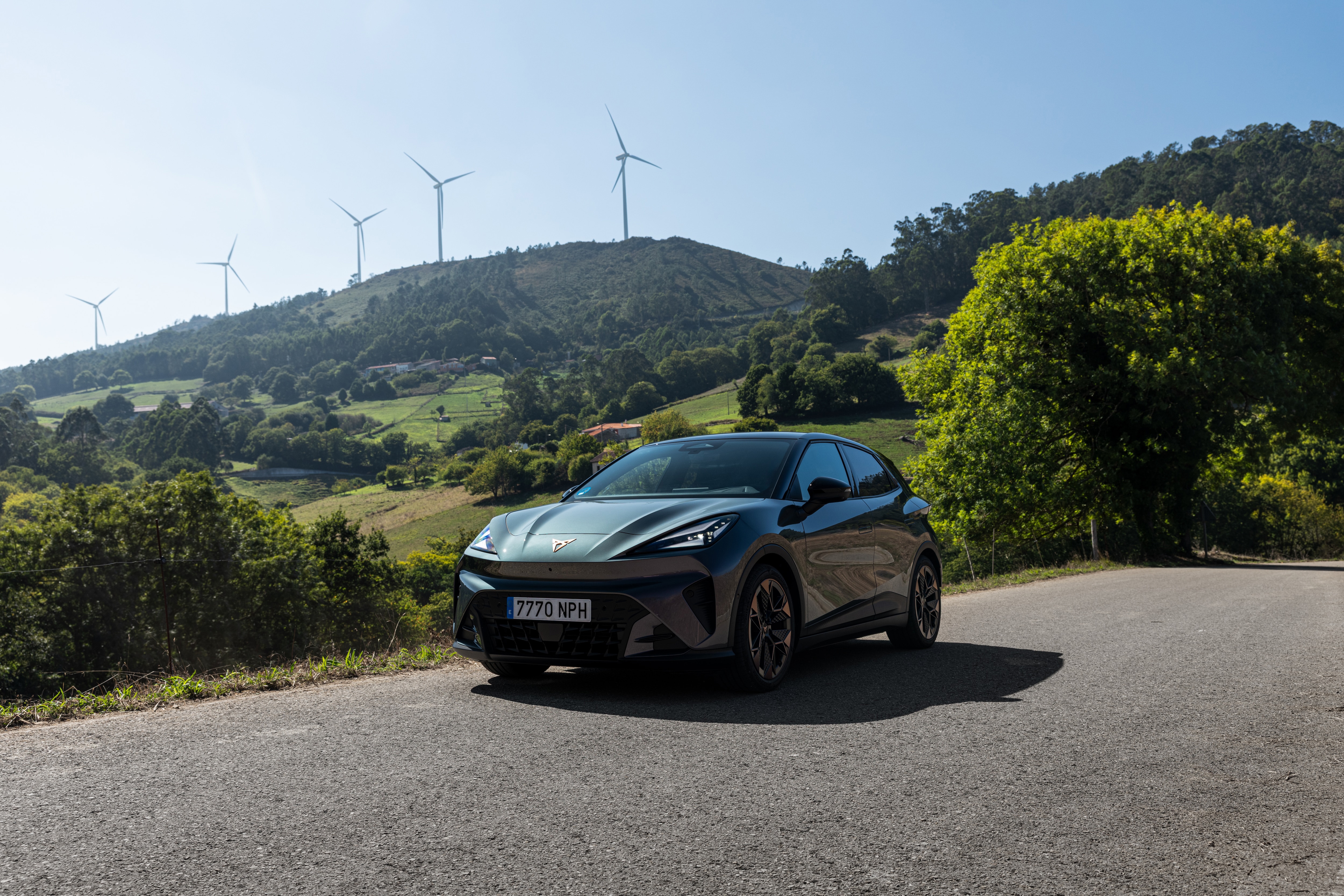
The electrification of our portfolio is one of the main levers for advancing decarbonisation, as electric vehicles can generate up to 60% fewer CO2 emissions over their entire life cycle than combustion cars*. In this context, the launch of the CUPRA Raval in 2026, CUPRA's latest 100% electric model, is a clear example of the evolution of CUPRA's electrified portfolio and its progressive adaptation to new mobility needs.
We also work to reduce the CO2 emissions of our production processes and advance the decarbonisation of our operations, with the aim of reducing emissions from our production facilities by at least 90% by 2040 compared to 2018. To this end, we are developing and implementing different initiatives to decarbonise our facilities as part of long-term planning. The planned actions include the progressive replacement of certain thermal generation equipment with electric technologies, such as heat pumps, as well as the development of new energy solutions to reduce the use of fossil fuels in industrial processes. These measures are being rolled out gradually, in line with a plan that prioritises their technical and operational feasibility.
Since 2010, we have reduced the CO2 emissions from our facilities by 68% per car produced, as all the electricity consumed at our factories has come from renewable sources, certified through Guarantees of Origin (GOs), since 2012. Thanks to efficiency measures, the energy consumption of our factories has fallen by 33% since 2010.
In addition, SEAT al Sol continues to expand solar power generation at the Martorell plant. The second phase of the project, currently under development, will bring the entire installation to over 80,000 solar panels, with an installed capacity of 26.7 MW.
Our emissions reduction strategy also covers logistics processes, with measures focused on increasing the use of rail and optimising road transport. The initiatives implemented include intermodal transport, high-capacity vehicles and the use of alternative fuels such as HVO.

*Based on the life cycle of the León TSI compared with the Born (analysed internally by SEAT & CUPRA), taking into account charging with renewable electricity and a life cycle of 200,000 km.
Discover SEAT & CUPRA's carbon footprint (Scopes 1 and 2) and its reduction plan here.
Circular Economy
The circular economy seeks to optimise the use of resources by reducing the need for virgin raw materials and promoting reuse and recycling, giving waste a second life by turning it into new products. At SEAT & CUPRA, we work to progressively incorporate recycled and renewable materials into certain components of our vehicles, especially in the vehicle interiors.
Some configurations of our vehicles incorporate recycled materials in specific interior components. For example, certain upholstery uses SEAQUAL® YARN and Dinamica®, a microfibre containing 73% recycled polyester. These applications vary depending on the model and vehicle configuration. For example, the CUPRA Born's ENERGY PULSE Bucket seat, which uses SEAQUAL® YARN in 100% of the upholstery of these seats; or the CUPRA Born’s Black Spark Bucket seat, which contains Dinamica® fabric in the central part of the seats.
In our manufacturing processes, we work to progressively reduce waste through reuse, recycling or recirculation. In 2025, we achieved our target of reducing non-recovered waste sent to treatment plants during production by 60% compared with 2010.
SEAT & CUPRA actively participates in research projects focused on second-life and recycling applications. These include RELOAD, which aims to drive technologies for recovering high-value materials in the electric vehicle value chain. In addition, the ECLIPSE project, focused on new technological routes for recycling and recovering complex polymer waste at the end of vehicles' useful life, and the TREASURE project, focused on assessing different circular economy scenarios in the automotive sector, have already been successfully completed.
The company has also launched the Circular Economy Hub in the Zona Franca of Barcelona, a space aimed at driving solutions linked to the reuse and recycling of components and materials. This initiative is part of the company's progress towards more circular models, with the aim of making better use of resources and progressively reducing the waste associated with industrial activity. The hub brings together capabilities and projects that make it possible to explore new opportunities to extend the useful life of certain materials and components, helping to integrate the circular economy into the SEAT & CUPRA value chain.

Ecosystem Preservation
To guarantee an environmentally sustainable future, we must ensure the protection and conservation of natural ecosystems by minimising the impact of our activity.
In 2025, we have reduced the environmental impact of our facilities by 53% since 2010. Water consumption to manufacture a car has fallen by 47% over the same period, while the generation of non-recovered waste and solvent emissions have been reduced by 74% and 47%, respectively.


RELATED NEWS
- SEAT & CUPRA celebrates the institutional inauguration of its Circular Economy Hub in Zona Franca
- SEAT & CUPRA reaffirms its commitment to sustainability with the launch of its Circular Economy Hub in Zona Franca
- SEAT S.A. reduces emissions at its facilities by 75% since 2010 and achieves the best sustainability results in its history
- SEAT S.A. achieves the best sustainability results in its history and reduces the environmental impact of its facilities by 53% since 2010
- Behind the CUP Bucket seats of the CUPRA Born VZ: driving sustainability
- SEAT S.A. will install 39,000 new solar panels to triple its capacity to self-generate renewable energy